Loading Banalo Business...
Launch a color cosmetics brand without a failed transfer test.
Most first-time cosmetics founders lose a batch to a lipstick that transfers within an hour, a colorant that turns out not to be approved in the market they sell in, and packaging tooling that costs more than the whole first production run. This is built to close all three before they cost you a launch date.
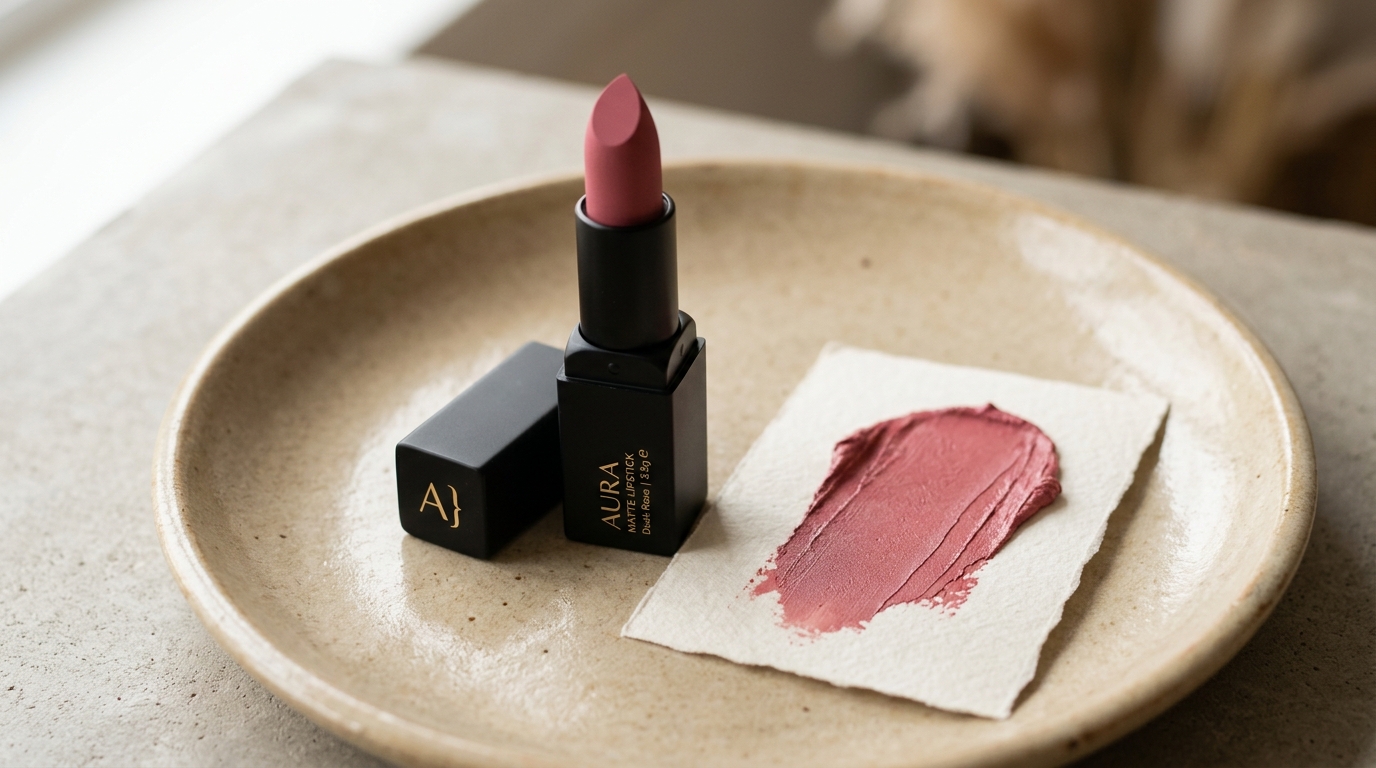
What it actually does
Here is what that actually looks like, piece by piece.
Formulation
It formulates the actives with you, not for a template
Describe the finish you want, transfer-proof matte, dewy tint, buildable coverage, and it proposes an actual formula: polymer system, pigment load, approved colorants by CI number. It flags anything not approved for cosmetic use in your target markets as you build it, not after a batch is already made.
Suppliers
Know what to ask a manufacturer before you pick one
It tells you what kind of color cosmetics manufacturer and packaging supplier fits your product, including magnetic lipstick case and doe-foot wand makers, from hubs in Italy, South Korea and China to India. You go in with realistic MOQs, tooling costs and the questions to ask. A verified cosmetics supplier directory is coming soon.
Plan Mode
Tell it your budget, it builds the plan
Say what you actually have to spend, and Plan Mode lays out where it should go: formulation, packaging tooling, your first production run. Packaging tooling can quietly eat a first-time budget in cosmetics more than almost any other category, so this matters here especially.
Economics
You know your margin before you commit
Pigments, base, packaging tooling, testing and freight are all modeled before you place an order. Brands in this category typically land around 80 to 88 percent gross margin, and you know your number on paper before the first batch ships, not after.
From idea to shelf
Here is what actually happens, in order, from a finish idea to a unit you can sell.
Formulate
You start with a finish, not a formula: transfer-proof matte, dewy, buildable. It turns that into an actual pigment load and polymer system, and flags any colorant that is not approved before you fall in love with it.
Source
Once the formula is close to final, it helps you shortlist the right kind of certified manufacturer and packaging supplier, with realistic MOQs, lead times and the questions to ask before you request quotes.
Plan
Tell it what you can spend. Plan Mode turns that into a real launch budget split across formulation, packaging tooling and your first production run, so tooling does not quietly consume the whole budget.
Launch
Order samples, run a wear test, and move into your first production run with a manufacturer that already has your formula and packaging spec on file.
What a first order actually costs
Say you are launching a transfer-proof liquid matte lipstick. A first run of around 500 units, formula, magnetic case and doe-foot applicator included, typically lands somewhere between $1.10 and $2 in landed cost per unit, depending on the case finish and whether tooling is shared or custom. Brands in this category typically price that same lipstick between $7 and $12, which is where the 80 to 88 percent gross margin actually comes from.
Plan Mode runs this math for your specific formula and packaging before you spend on inventory.
Ask it anything, really
These are real questions founders ask before their first batch, not a demo script.
“How to engineer a long-lasting, transfer-proof liquid matte lipstick that is non-drying?”
“Which cosmetic colorants (CI numbers) are approved in both the US and the EU?”
“How to formulate a dewy, buildable skin tint with SPF and hyaluronic acid?”
“Packaging suppliers for magnetic lipstick cases and custom doe-foot wands”
Frequently Asked Questions
Formulation is the starting point. It also tells you what kind of manufacturers and packaging suppliers to shortlist and what to ask them, builds a full launch plan around your budget in Plan Mode, since packaging tooling can quietly consume most of a first budget, and models your landed cost and margin before you spend on inventory.
That is exactly what Plan Mode is for. Tell it what you have to spend, and it shows you where shared tooling and simpler packaging can stretch a smaller budget further without compromising the formula.
Most first runs in this category start around 500 units, since color cosmetics manufacturing typically has a higher minimum than skincare. Shared packaging tooling can sometimes bring this down for a first launch.
Around 6 to 8 weeks once a formula is locked and packaging tooling, if custom, is confirmed. Formulation and wear testing happen first, then bulk manufacturing, filling and packaging run through the manufacturer.
Each market keeps its own list. The EU lists approved colorants by CI number in Annex IV of the Cosmetics Regulation, the US FDA has its own list with batch certification for many colors, and India and other markets have theirs. A pigment cleared in one is not automatically cleared in another, so formulas are checked against the lists for your markets while you are building them, not after a batch is already made.
Either. Shared or existing packaging molds cost significantly less and ship faster, while fully custom tooling gives a distinct look but adds real time and cost. Most first-time founders start with existing tooling and move to custom once the product is proven.
Brands in this category typically land around 80 to 88 percent gross margin at D2C pricing, once pigments, base, packaging, testing and freight are all accounted for. The unit economics tool models this for your specific formula before you order.
Color cosmetics fall under the same cosmetic rules as skincare: the FDA under MoCRA in the US, the EU Cosmetics Regulation with a Responsible Person and CPNP notification, the UK's equivalent with SCPN notification, and CDSCO licensing in India, for example. A licensed or registered contract manufacturer can usually produce on your behalf, but you as the brand still carry labeling and safety responsibilities. It walks you through what applies to your market before you launch.
Come with a finish in mind, or just a budget
Either way, you will leave with a real formula, a manufacturer shortlist brief, and a margin you can trust.